


ಕನ್ನಡ
All that we are, we owe to Kannada’s grace, Our first word, our first thought, in its embrace.
It cradled our dreams, both gentle and grand, Guiding us forward with a steady hand.
It helped us earn a living, so humble that helped us learn a giving,
It taught us to earn, to give, and to grow, Shaping our lives as we reap and sow.
This is a tribute, humble and true, To the language that carried us, and those who grew it too.
ಮೊದಲ ಪದ, ಮೊದಲ ಕನಸು ಕನ್ನಡವೇ ಕಣ ಕಣ,
ಜನ್ಮ ಜನ್ಮ ಕಳೆದರು ತೀರದು ಕನ್ನಡ ತಾಯಿಯ ಋಣ,
ನಾಡಿಗಾಗಿ ಭಾಷೆಗಾಗಿ ವೀರಾಧಿವೀರರು ತೊಟ್ಟಿದ್ದರು ಪಣ,
ಭಾಷೆಯ ಉಳಿವಿಗಾಗಿ, ಜನರ ನಲಿವಿಗಾಗಿ ಮಾಡಿದ್ದರು ರಣ,
ಸಣ್ಣ ಪ್ರಯತ್ನವಿದು ಗೌರವ ಸಲ್ಲಿಸಲು ಭಾಷೆಗೆ ಹಾಗು ಕನ್ನಡಿಗರ ಬಣ,
ಕೋಟಿ ಕರ್ಚಿಸಿ ಹೊಗಳಲು ಪ್ರಯತ್ನಿಸಿದರೂ ಸಾಲುವುದಿಲ್ಲ ಹಣ
Kannada is one of the oldest Dravidian languages, with its origins tracing back to over 2,500 years. The language has evolved from early forms like Pre-Old Kannada (Proto-Kannada) to Old Kannada, Middle Kannada, and eventually Modern Kannada.
Kannada was the court language of a number of dynasties and empires of South, Central India and Deccan Plateau, namely the Kadamba dynasty, Western Ganga dynasty, Nolamba dynasty, Chalukya dynasty, Rashtrakutas, Western Chalukya Empire, Seuna dynasty, Kingdom of Mysore, Nayakas of Keladi, Hoysala dynasty and the Vijayanagara Empire.
ಕನ್ನಡವು ಅತ್ಯಂತ ಹಳೆಯ ದ್ರಾವಿಡ ಭಾಷೆಗಳಲ್ಲಿ ಒಂದಾಗಿದೆ, ಅದರ ಮೂಲವು 2,500 ವರ್ಷಗಳಷ್ಟು ಹಿಂದಿನದು. ಭಾಷೆಯು ಪೂರ್ವ-ಹಳೆಯ ಕನ್ನಡ (ಪ್ರೊಟೊ-ಕನ್ನಡ) ನಂತಹ ಆರಂಭಿಕ ರೂಪಗಳಿಂದ ಹಳೆಯ ಕನ್ನಡ, ಮಧ್ಯ ಕನ್ನಡ ಮತ್ತು ಅಂತಿಮವಾಗಿ ಆಧುನಿಕ ಕನ್ನಡಕ್ಕೆ ವಿಕಸನಗೊಂಡಿದೆ.
ಕನ್ನಡವು ದಕ್ಷಿಣ, ಮಧ್ಯ ಭಾರತ ಮತ್ತು ದಖ್ಖನ್ ಪ್ರಸ್ಥಭೂಮಿಯ ಹಲವಾರು ರಾಜವಂಶಗಳು ಮತ್ತು ಸಾಮ್ರಾಜ್ಯಗಳ ಆಸ್ಥಾನ ಭಾಷೆಯಾಗಿತ್ತು, ಅವುಗಳೆಂದರೆ ಕದಂಬ ರಾಜವಂಶ, ಪಶ್ಚಿಮ ಗಂಗಾ ರಾಜವಂಶ, ನೊಳಂಬ ರಾಜವಂಶ, ಚಾಲುಕ್ಯ ರಾಜವಂಶ, ರಾಷ್ಟ್ರಕೂಟರು, ಮೈಸೂರು ರಾಜವಂಶ, ಕೆಳದಿ ನಾಯಕರು, ಹೊಯ್ಸಳ ರಾಜವಂಶ ಮತ್ತು ವಿಜಯನಗರ ಸಾಮ್ರಾಜ್ಯ.
Countless legends have contributed to the growth of Kannada and Karnataka over the centuries. Kings who adopted Kannada as their court language and invested in its literary development, poets who enriched the language and deepened its grammar and art forms, and modern-day artists, actors, and entrepreneurs who have each played a vital role in advancing Kannada in their own unique ways.
ಶತಮಾನಗಳಿಂದ ಕನ್ನಡ ಮತ್ತು ಕರ್ನಾಟಕದ ಬೆಳವಣಿಗೆಗೆ ಹಲವು ಐತಿಹ್ಯ ವ್ಯಕ್ತಿಗಳು ಕೊಡುಗೆ ನೀಡಿದ್ದಾರೆ. ಕನ್ನಡವನ್ನು ತಮ್ಮ ಆಸ್ಥಾನ ಭಾಷೆಯಾಗಿ ಸ್ವೀಕರಿಸಿ ಅದರ ಸಾಹಿತ್ಯಿಕ ಬೆಳವಣಿಗೆಗೆ ಪಣತೊಟ್ಟ ರಾಜರು, ಭಾಷೆಯನ್ನು ಶ್ರೀಮಂತಗೊಳಿಸಿದ ಮತ್ತು ವ್ಯಾಕರಣ ಮತ್ತು ಕಲಾ ಪ್ರಕಾರಗಳನ್ನು ಆಳಗೊಳಿಸಿದ ಕವಿಗಳು ಮತ್ತು ಆಧುನಿಕ ಕಾಲದ ಕಲಾವಿದರು, ನಟರು ಮತ್ತು ಉದ್ಯಮಿಗಳು ಕನ್ನಡವನ್ನು ಬೆಳೆಸುವಲ್ಲಿ ಪ್ರಮುಖ ಪಾತ್ರ ವಹಿಸಿದ್ದಾರೆ.

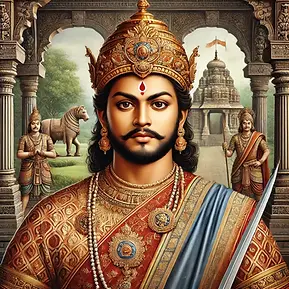
While the earliest use of the Kannada language dates back to the 3rd century BC, it was King Mayura of the Kadamba dynasty who is credited with establishing Kannada as an official administrative language.
ಕನ್ನಡ ಭಾಷೆಯ ಆರಂಭಿಕ ಬಳಕೆಯು ಕ್ರಿ.ಪೂ 3 ನೇ ಶತಮಾನದಷ್ಟು ಹಿಂದಿನದಾಗಿದೆ, ಕದಂಬ ರಾಜವಂಶದ ರಾಜ ಮಯೂರ ಅವರು ಕನ್ನಡವನ್ನು ಅಧಿಕೃತ ಆಡಳಿತ ಭಾಷೆಯಾಗಿ ಸ್ಥಾಪಿಸಿದ ಕೀರ್ತಿಗೆ ಪಾತ್ರರಾಗಿದ್ದಾರೆ.
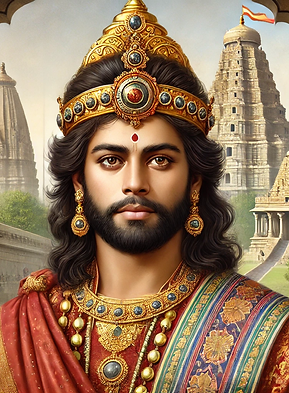
As Kannada evolved and its roots deepened, King Amoghavarsha Nrupatunga of the Rashtrakutas played a pivotal role in promoting the language through his renowned work "Kavirajamarga." This first Kannada book on poetics is a foundational guide to early Kannada literature, offering crucial insights into the rules, usage, and grammar of the language.
ಕನ್ನಡ ವಿಕಸನಗೊಂಡಂತೆ ಮತ್ತು ಅದರ ಬೇರುಗಳು ಆಳವಾಗುತ್ತಿದ್ದಂತೆ, ರಾಷ್ಟ್ರಕೂಟರ ರಾಜ ಅಮೋಘವರ್ಷ ನೃಪತುಂಗನು ತನ್ನ ಹೆಸರಾಂತ ಕೃತಿ "ಕವಿರಾಜಮಾರ್ಗ" ಮೂಲಕ ಭಾಷೆಯನ್ನು ಪ್ರಚಾರ ಮಾಡುವಲ್ಲಿ ಪ್ರಮುಖ ಪಾತ್ರವನ್ನು ವಹಿಸಿದನು. ಕಾವ್ಯಶಾಸ್ತ್ರದ ಮೇಲಿನ ಈ ಮೊದಲ ಕನ್ನಡ ಪುಸ್ತಕವು ಆರಂಭಿಕ ಕನ್ನಡ ಸಾಹಿತ್ಯಕ್ಕೆ ಅಡಿಪಾಯದ ಮಾರ್ಗದರ್ಶಿಯಾಗಿದೆ, ಭಾಷೆಯ ನಿಯಮಗಳು, ಬಳಕೆ ಮತ್ತು ವ್ಯಾಕರಣದ ಬಗ್ಗೆ ನಿರ್ಣಾಯಕ ಒಳನೋಟಗಳನ್ನು ನೀಡುತ್ತದೆ.


During the Western Chalukya's rule, renowned poets like Pampa, Ranna, and Janna were given special recognition in the royal court, where they created their celebrated works of poetry. Their contributions greatly enriched the Kannada language and played a significant role in its widespread adoption and development.
ಕಲ್ಯಾಣ ಚಾಲುಕ್ಯರ ಆಳ್ವಿಕೆಯಲ್ಲಿ, ಪಂಪ, ರನ್ನ ಮತ್ತು ಜನ್ನರಂತಹ ಪ್ರಸಿದ್ಧ ಕವಿಗಳಿಗೆ ರಾಜಸಭೆಯಲ್ಲಿ ವಿಶೇಷ ಮನ್ನಣೆ ನೀಡಲಾಯಿತು, ಅಲ್ಲಿ ಅವರು ತಮ್ಮ ಪ್ರಸಿದ್ಧ ಕಾವ್ಯ ಕೃತಿಗಳನ್ನು ರಚಿಸಿದರು. ಅವರ ಕೊಡುಗೆಗಳು ಕನ್ನಡ ಭಾಷೆಯನ್ನು ಬಹಳವಾಗಿ ಶ್ರೀಮಂತಗೊಳಿಸಿದವು ಮತ್ತು ಅದರ ವ್ಯಾಪಕ ಅಳವಡಿಕೆ ಮತ್ತು ಅಭಿವೃದ್ಧಿಯಲ್ಲಿ ಮಹತ್ವದ ಪಾತ್ರವನ್ನು ವಹಿಸಿದವು.

During the Hoysala rule, Kannada gained even greater prominence as poets like Harihara, Raghavanka, Basavanna, and Akka Mahadevi enriched the language with their philosophical insights, exploring profound ideas about society, divinity, and the art of living.
ಹೊಯ್ಸಳರ ಆಳ್ವಿಕೆಯಲ್ಲಿ, ಹರಿಹರ, ರಾಘವಾಂಕ, ಬಸವಣ್ಣ, ಮತ್ತು ಅಕ್ಕ ಮಹಾದೇವಿಯಂತಹ ಕವಿಗಳು ತಮ್ಮ ತಾತ್ವಿಕ ಒಳನೋಟಗಳಿಂದ ಭಾಷೆಯನ್ನು ಶ್ರೀಮಂತಗೊಳಿಸಿದ್ದರಿಂದ, ಸಮಾಜ, ದೈವಿಕತೆ ಮತ್ತು ಜೀವನ ಕಲೆಯ ಬಗ್ಗೆ ಆಳವಾದ ವಿಚಾರಗಳನ್ನು ಅನ್ವೇಷಿಸುವುದರಿಂದ ಕನ್ನಡವು ಇನ್ನೂ ಹೆಚ್ಚಿನ ಪ್ರಾಮುಖ್ಯತೆಯನ್ನು ಪಡೆಯಿತು.


In the royal courts of the Vijayanagara Empire, Kannada flourished, with the poetic masterpieces of Kumaravyasa and Lakshmisha greatly enriching Kannada literature. Under King Krishnadevaraya's reign, the Kannada language thrived further, as the empire, one of the wealthiest kingdoms, was renowned for its prosperity, where jewelry, precious gems, and stones were traded openly along the streets.

ವಿಜಯನಗರ ಸಾಮ್ರಾಜ್ಯದ ರಾಜಸಭೆಯಲ್ಲಿ, ಕನ್ನಡವು ಪ್ರವರ್ಧಮಾನಕ್ಕೆ ಬಂದಿತು, ಕುಮಾರವ್ಯಾಸ ಮತ್ತು ಲಕ್ಷ್ಮೀಶರ ಕಾವ್ಯದ ಮೇರುಕೃತಿಗಳು ಕನ್ನಡ ಸಾಹಿತ್ಯವನ್ನು ಬಹಳವಾಗಿ ಶ್ರೀಮಂತಗೊಳಿಸಿದವು. ರಾಜ ಕೃಷ್ಣದೇವರಾಯನ ಆಳ್ವಿಕೆಯಲ್ಲಿ, ಕನ್ನಡ ಭಾಷೆಯು ಮತ್ತಷ್ಟು ಅಭಿವೃದ್ಧಿ ಹೊಂದಿತು, ಏಕೆಂದರೆ ಸಾಮ್ರಾಜ್ಯವು ಶ್ರೀಮಂತ ರಾಜ್ಯಗಳಲ್ಲಿ ಒಂದಾಗಿತ್ತು, ಅದರ ಸಮೃದ್ಧಿಗೆ ಹೆಸರುವಾಸಿಯಾಗಿತ್ತು, ಅಲ್ಲಿ ಆಭರಣಗಳು, ಅಮೂಲ್ಯವಾದ ರತ್ನಗಳು ಮತ್ತು ವಜ್ರ ವೈಡೂರ್ಯಗಳು ಬೀದಿಗಳಲ್ಲಿ ಬಹಿರಂಗವಾಗಿ ವ್ಯಾಪಾರ ಮಾಡಲಾಗುತಿತ್ತು.
King Kempegowda, the founder of Bengaluru, played a crucial role in the promotion and growth of the Kannada language through his support for its use in administration, literature, and the arts. In the early 16th century, as a chieftain under the Vijayanagara Empire, Kempegowda emphasized the use of Kannada in governance and legal matters within his domain, at a time when Telugu and Sanskrit were predominantly used in official contexts. His advocacy for Kannada helped to reinforce the language's importance and ensured its continued relevance among the local population. Additionally, Kempegowda was a patron of Kannada literature and arts, fostering an environment where scholars, poets, and artists could thrive. His encouragement of literary works in Kannada not only enriched the language but also helped to preserve and promote the cultural identity of the Kannadigas.
Furthermore, by establishing Bengaluru as a major city, Kempegowda created a cultural and commercial hub that attracted intellectuals and artists, contributing to the development of Kannada literature and culture. His foundational efforts in making Bengaluru a center for Kannada activities have left a lasting legacy on the cultural and linguistic landscape of Karnataka.
ಬೆಂಗಳೂರು ಸ್ಥಾಪಕರಾದ ರಾಜ ಕೆಂಪೇಗೌಡರು ಆಡಳಿತ, ಸಾಹಿತ್ಯ ಮತ್ತು ಕಲೆಗಳಲ್ಲಿ ಕನ್ನಡ ಭಾಷೆಯ ಬಳಕೆಯನ್ನು ಬೆಂಬಲಿಸುವ ಮೂಲಕ ಕನ್ನಡ ಭಾಷೆಯ ಪ್ರಚಾರ ಮತ್ತು ಬೆಳವಣಿಗೆಯಲ್ಲಿ ನಿರ್ಣಾಯಕ ಪಾತ್ರವನ್ನು ವಹಿಸಿದರು. 16 ನೇ ಶತಮಾನದ ಆರಂಭದಲ್ಲಿ, ವಿಜಯನಗರ ಸಾಮ್ರಾಜ್ಯದ ಅಡಿಯಲ್ಲಿ ಮುಖ್ಯಸ್ಥರಾಗಿ, ಕೆಂಪೇಗೌಡರು ತಮ್ಮ ಆಡಳಿತ ಮತ್ತು ಕಾನೂನು ವಿಷಯಗಳಲ್ಲಿ ಕನ್ನಡದ ಬಳಕೆಯನ್ನು ಒತ್ತಿಹೇಳಿದರು, ಆ ಸಮಯದಲ್ಲಿ ತೆಲುಗು ಮತ್ತು ಸಂಸ್ಕೃತವನ್ನು ಅಧಿಕೃತ ಸಂದರ್ಭಗಳಲ್ಲಿ ಬಳಸಲಾಗುತ್ತಿತ್ತು. ಕನ್ನಡಕ್ಕಾಗಿ ಅವರ ಪ್ರತಿಪಾದನೆಯು ಭಾಷೆಯ ಪ್ರಾಮುಖ್ಯತೆಯನ್ನು ಬಲಪಡಿಸಲು ಸಹಾಯ ಮಾಡಿತು ಮತ್ತು ಸ್ಥಳೀಯ ಜನಸಂಖ್ಯೆಯಲ್ಲಿ ಅದರ ನಿರಂತರ ಪ್ರಸ್ತುತತೆಯನ್ನು ಖಚಿತಪಡಿಸಿತು.

ಹೆಚ್ಚುವರಿಯಾಗಿ, ಕೆಂಪೇಗೌಡರು ಕನ್ನಡ ಸಾಹಿತ್ಯ ಮತ್ತು ಕಲೆಗಳ ಪೋಷಕರಾಗಿದ್ದರು, ವಿದ್ವಾಂಸರು, ಕವಿಗಳು ಮತ್ತು ಕಲಾವಿದರು ಪ್ರವರ್ಧಮಾನಕ್ಕೆ ಬರುವಂತಹ ವಾತಾವರಣವನ್ನು ಬೆಳೆಸಿದರು. ಕನ್ನಡದಲ್ಲಿ ಸಾಹಿತ್ಯ ಕೃತಿಗಳಿಗೆ ಅವರ ಪ್ರೋತ್ಸಾಹವು ಭಾಷೆಯನ್ನು ಶ್ರೀಮಂತಗೊಳಿಸಿತು ಮಾತ್ರವಲ್ಲದೆ ಕನ್ನಡಿಗರ ಸಾಂಸ್ಕೃತಿಕ ಗುರುತನ್ನು ಉಳಿಸಲು ಮತ್ತು ಉತ್ತೇಜಿಸಲು ಸಹಾಯ ಮಾಡಿತು. ಇದಲ್ಲದೆ, ಬೆಂಗಳೂರನ್ನು ಪ್ರಮುಖ ನಗರವಾಗಿ ಸ್ಥಾಪಿಸುವ ಮೂಲಕ, ಕೆಂಪೇಗೌಡರು ಬುದ್ದಿಜೀವಿಗಳು ಮತ್ತು ಕಲಾವಿದರನ್ನು ಆಕರ್ಷಿಸುವ ಸಾಂಸ್ಕೃತಿಕ ಮತ್ತು ವಾಣಿಜ್ಯ ಕೇಂದ್ರವನ್ನು ರಚಿಸಿದರು, ಕನ್ನಡ ಸಾಹಿತ್ಯ ಮತ್ತು ಸಂಸ್ಕೃತಿಯ ಬೆಳವಣಿಗೆಗೆ ಕೊಡುಗೆ ನೀಡಿದರು. ಬೆಂಗಳೂರನ್ನು ಕನ್ನಡ ಚಟುವಟಿಕೆಗಳ ಕೇಂದ್ರವನ್ನಾಗಿ ಮಾಡುವಲ್ಲಿ ಅವರ ಅಡಿಪಾಯದ ಪ್ರಯತ್ನಗಳು ಕರ್ನಾಟಕದ ಸಾಂಸ್ಕೃತಿಕ ಮತ್ತು ಭಾಷಾ ಭೂದೃಶ್ಯದ ಮೇಲೆ ಶಾಶ್ವತವಾದ ಪರಂಪರೆಯನ್ನು ಬಿಟ್ಟಿವೆ.
The Mysore Wodeyar Dynasty played a crucial role in the promotion and development of the Kannada language, especially during the reigns of Krishnaraja Wodeyar III and Nalvadi Krishnaraja Wodeyar IV. The Wodeyars were great patrons of arts and literature, and they provided significant support to Kannada writers and poets, fostering an environment where Kannada literature could flourish. Krishnaraja Wodeyar III was not only a patron but also a scholar who authored several works in Kannada, contributing to the literary richness of the language. The Wodeyar kings established various educational and cultural institutions, such as Maharaja's College in Mysore, which became a hub for Kannada literary activities.

By encouraging the use of Kannada in administration and legal proceedings, the Wodeyars helped to standardize the language and ensured its continued relevance in the public sphere. Furthermore, their support for the publication of Kannada books and periodicals played a crucial role in the modernization and popularization of the language during a time of significant social and political change.
ಮೈಸೂರು ಒಡೆಯರ್ ರಾಜವಂಶವು ಕನ್ನಡ ಭಾಷೆಯ ಪ್ರಚಾರ ಮತ್ತು ಬೆಳವಣಿಗೆಯಲ್ಲಿ ನಿರ್ಣಾಯಕ ಪಾತ್ರವನ್ನು ವಹಿಸಿದೆ, ವಿಶೇಷವಾಗಿ ಕೃಷ್ಣರಾಜ ಒಡೆಯರ್ III ಮತ್ತು ನಾಲ್ವಡಿ ಕೃಷ್ಣರಾಜ ಒಡೆಯರ್ IV ರ ಆಳ್ವಿಕೆಯಲ್ಲಿ. ಒಡೆಯರ್ಗಳು ಕಲೆ ಮತ್ತು ಸಾಹಿತ್ಯದ ಮಹಾನ್ ಪೋಷಕರಾಗಿದ್ದರು ಮತ್ತು ಅವರು ಕನ್ನಡ ಬರಹಗಾರರು ಮತ್ತು ಕವಿಗಳಿಗೆ ಗಮನಾರ್ಹ ಬೆಂಬಲವನ್ನು ನೀಡಿದರು, ಕನ್ನಡ ಸಾಹಿತ್ಯವು ಪ್ರವರ್ಧಮಾನಕ್ಕೆ ಬರುವಂತಹ ವಾತಾವರಣವನ್ನು ಬೆಳೆಸಿದರು.
ಕೃಷ್ಣರಾಜ ಒಡೆಯರ್ III ಅವರು ಪೋಷಕ ಮಾತ್ರವಲ್ಲದೆ ಕನ್ನಡದಲ್ಲಿ ಹಲವಾರು ಕೃತಿಗಳನ್ನು ರಚಿಸಿದ ವಿದ್ವಾಂಸರೂ ಆಗಿದ್ದು, ಭಾಷೆಯ ಸಾಹಿತ್ಯಿಕ ಶ್ರೀಮಂತಿಕೆಗೆ ಕೊಡುಗೆ ನೀಡಿದ್ದಾರೆ. ಒಡೆಯರ್ ರಾಜರು ಮೈಸೂರಿನ ಮಹಾರಾಜ ಕಾಲೇಜಿನಂತಹ ವಿವಿಧ ಶೈಕ್ಷಣಿಕ ಮತ್ತು ಸಾಂಸ್ಕೃತಿಕ ಸಂಸ್ಥೆಗಳನ್ನು ಸ್ಥಾಪಿಸಿದರು, ಇದು ಕನ್ನಡ ಸಾಹಿತ್ಯ ಚಟುವಟಿಕೆಗಳ ಕೇಂದ್ರವಾಯಿತು. ಆಡಳಿತ ಮತ್ತು ಕಾನೂನು ಪ್ರಕ್ರಿಯೆಗಳಲ್ಲಿ ಕನ್ನಡದ ಬಳಕೆಯನ್ನು ಪ್ರೋತ್ಸಾಹಿಸುವ ಮೂಲಕ, ಒಡೆಯರು ಭಾಷೆಯನ್ನು ಪ್ರಮಾಣೀಕರಿಸಲು ಸಹಾಯ ಮಾಡಿದರು ಮತ್ತು ಸಾರ್ವಜನಿಕ ಕ್ಷೇತ್ರದಲ್ಲಿ ಅದರ ನಿರಂತರ ಪ್ರಸ್ತುತತೆಯನ್ನು ಖಚಿತಪಡಿಸಿದರು. ಇದಲ್ಲದೆ, ಗಮನಾರ್ಹ ಸಾಮಾಜಿಕ ಮತ್ತು ರಾಜಕೀಯ ಬದಲಾವಣೆಯ ಸಮಯದಲ್ಲಿ ಕನ್ನಡ ಪುಸ್ತಕಗಳು ಮತ್ತು ನಿಯತಕಾಲಿಕೆಗಳ ಪ್ರಕಟಣೆಗೆ ಅವರ ಬೆಂಬಲವು ಭಾಷೆಯ ಆಧುನೀಕರಣ ಮತ್ತು ಜನಪ್ರಿಯತೆಯಲ್ಲಿ ನಿರ್ಣಾಯಕ ಪಾತ್ರವನ್ನು ವಹಿಸಿದೆ.

Sir M. Visvesvaraya, although primarily known for his contributions to engineering and statecraft, also played an important role in the growth of the Kannada language. His efforts to advance education in Karnataka had a profound impact on the spread and development of Kannada. Visvesvaraya believed that education in one's mother tongue was essential for intellectual and cultural development, and he worked to integrate Kannada into the modern educational framework of the state. Under his influence, efforts were made to introduce technical education in Kannada, making technical knowledge more accessible to Kannada-speaking people and integrating the language into the realm of modern science and technology.
Visvesvaraya also emphasized the use of Kannada in public life and administration, strengthening its role in the governance and everyday life of Karnataka. His support for education and intellectual activities created a fertile ground for the flourishing of modern Kannada literature, as educated individuals were encouraged to engage with Kannada as a literary and cultural medium. Through his visionary leadership, Sir M. Visvesvaraya ensured that Kannada remained a vibrant and dynamic language in the modern era.
ಸರ್ ಎಂ. ವಿಶ್ವೇಶ್ವರಯ್ಯ ಅವರು ಪ್ರಾಥಮಿಕವಾಗಿ ಎಂಜಿನಿಯರಿಂಗ್ ಮತ್ತು ಸ್ಟೇಟ್ಕ್ರಾಫ್ಟ್ಗೆ ನೀಡಿದ ಕೊಡುಗೆಗಳಿಗೆ ಹೆಸರುವಾಸಿಯಾಗಿದ್ದರೂ, ಕನ್ನಡ ಭಾಷೆಯ ಬೆಳವಣಿಗೆಯಲ್ಲಿ ಪ್ರಮುಖ ಪಾತ್ರ ವಹಿಸಿದ್ದಾರೆ. ಕರ್ನಾಟಕದಲ್ಲಿ ಶಿಕ್ಷಣವನ್ನು ಮುಂದುವರೆಸಲು ಅವರ ಪ್ರಯತ್ನಗಳು ಕನ್ನಡದ ಹರಡುವಿಕೆ ಮತ್ತು ಅಭಿವೃದ್ಧಿಯ ಮೇಲೆ ಆಳವಾದ ಪ್ರಭಾವ ಬೀರಿತು. ಬೌದ್ಧಿಕ ಮತ್ತು ಸಾಂಸ್ಕೃತಿಕ ಬೆಳವಣಿಗೆಗೆ ಮಾತೃಭಾಷೆಯಲ್ಲಿ ಶಿಕ್ಷಣ ಅತ್ಯಗತ್ಯ ಎಂದು ವಿಶ್ವೇಶ್ವರಯ್ಯ ನಂಬಿದ್ದರು ಮತ್ತು ರಾಜ್ಯದ ಆಧುನಿಕ ಶೈಕ್ಷಣಿಕ ಚೌಕಟ್ಟಿನಲ್ಲಿ ಕನ್ನಡವನ್ನು ಸಂಯೋಜಿಸಲು ಶ್ರಮಿಸಿದರು.

ಅವರ ಪ್ರಭಾವದ ಅಡಿಯಲ್ಲಿ, ಕನ್ನಡದಲ್ಲಿ ತಾಂತ್ರಿಕ ಶಿಕ್ಷಣವನ್ನು ಪರಿಚಯಿಸಲು ಪ್ರಯತ್ನಿಸಲಾಯಿತು, ಕನ್ನಡ ಮಾತನಾಡುವ ಜನರಿಗೆ ತಾಂತ್ರಿಕ ಜ್ಞಾನವನ್ನು ಹೆಚ್ಚು ಪ್ರವೇಶಿಸುವಂತೆ ಮತ್ತು ಆಧುನಿಕ ವಿಜ್ಞಾನ ಮತ್ತು ತಂತ್ರಜ್ಞಾನದ ಕ್ಷೇತ್ರಕ್ಕೆ ಭಾಷೆಯನ್ನು ಸಂಯೋಜಿಸಲು ಪ್ರಯತ್ನಿಸಲಾಯಿತು. ವಿಶ್ವೇಶ್ವರಯ್ಯ ಅವರು ಸಾರ್ವಜನಿಕ ಜೀವನ ಮತ್ತು ಆಡಳಿತದಲ್ಲಿ ಕನ್ನಡದ ಬಳಕೆಯನ್ನು ಒತ್ತಿಹೇಳಿದರು, ಕರ್ನಾಟಕದ ಆಡಳಿತ ಮತ್ತು ದೈನಂದಿನ ಜೀವನದಲ್ಲಿ ಅದರ ಪಾತ್ರವನ್ನು ಬಲಪಡಿಸಿದರು. ಶಿಕ್ಷಣ ಮತ್ತು ಬೌದ್ಧಿಕ ಚಟುವಟಿಕೆಗಳಿಗೆ ಅವರ ಬೆಂಬಲವು ಆಧುನಿಕ ಕನ್ನಡ ಸಾಹಿತ್ಯದ ಏಳಿಗೆಗೆ ಫಲವತ್ತಾದ ನೆಲವನ್ನು ಸೃಷ್ಟಿಸಿತು, ಏಕೆಂದರೆ ವಿದ್ಯಾವಂತ ವ್ಯಕ್ತಿಗಳು ಕನ್ನಡವನ್ನು ಸಾಹಿತ್ಯಿಕ ಮತ್ತು ಸಾಂಸ್ಕೃತಿಕ ಮಾಧ್ಯಮವಾಗಿ ತೊಡಗಿಸಿಕೊಳ್ಳಲು ಪ್ರೋತ್ಸಾಹಿಸಲಾಯಿತು. ತಮ್ಮ ದೂರದೃಷ್ಟಿಯ ನಾಯಕತ್ವದ ಮೂಲಕ, ಸರ್ ಎಂ.ವಿಶ್ವೇಶ್ವರಯ್ಯ ಅವರು ಆಧುನಿಕ ಯುಗದಲ್ಲಿ ಕನ್ನಡವು ರೋಮಾಂಚಕ ಮತ್ತು ಕ್ರಿಯಾತ್ಮಕ ಭಾಷೆಯಾಗಿ ಉಳಿಯುವಂತೆ ಮಾಡಿದರು.
Modern Kannada literature has been profoundly shaped by several influential writers and poets who have made significant contributions to its growth and recognition. Kuvempu, the first Kannada writer to receive the prestigious Jnanpith Award in 1967, emphasized the cultural identity of Karnataka in his works, leaving an indelible mark on Kannada literature. B.M. Srikantaiah, known as the father of modern Kannada literature, played a pivotal role in the renaissance of Kannada prose and poetry. Other notable figures include D.R. Bendre, whose lyrical compositions earned him the Jnanpith Award in 1973, reflecting the depth of Kannada culture and thought. Shivaram Karanth, a multi-faceted literary figure who won the award in 1977, made significant contributions to Kannada novels and dramas. Masti Venkatesh Iyengar, recognized in 1983, is remembered for his short stories that captured the essence of rural Karnataka, while V.K. Gokak, who was honored in 1990, significantly enriched Kannada literature through his poetry and criticism.

U.R. Ananthamurthy, who brought global attention to Kannada literature with his modernist writings, earned the Jnanpith Award in 1994, while Girish Karnad, awarded in 1998, made his mark through plays that explored contemporary and traditional themes. Chandrashekhara Kambara, known for his plays and poetry exploring folklore and cultural themes, received the Jnanpith Award in 2010. Although K.S. Nissar Ahmed, the most recent recipient, won the award in 2019 for his literary contributions, the growth of Kannada literature has been driven by hundreds of poets and writers who, although they may not have won the Jnanpith Award, have made substantial contributions to its positive growth and enriched its depth, ensuring its prominence in Indian literary traditions.
ಆಧುನಿಕ ಕನ್ನಡ ಸಾಹಿತ್ಯವು ಹಲವಾರು ಪ್ರಭಾವಿ ಬರಹಗಾರರು ಮತ್ತು ಕವಿಗಳಿಂದ ಆಳವಾಗಿ ರೂಪುಗೊಂಡಿದೆ, ಅವರು ಅದರ ಬೆಳವಣಿಗೆ ಮತ್ತು ಗುರುತಿಸುವಿಕೆಗೆ ಗಮನಾರ್ಹ ಕೊಡುಗೆ ನೀಡಿದ್ದಾರೆ. 1967 ರಲ್ಲಿ ಪ್ರತಿಷ್ಠಿತ ಜ್ಞಾನಪೀಠ ಪ್ರಶಸ್ತಿಯನ್ನು ಪಡೆದ ಕನ್ನಡದ ಮೊದಲ ಬರಹಗಾರ ಕುವೆಂಪು ಅವರು ತಮ್ಮ ಕೃತಿಗಳಲ್ಲಿ ಕರ್ನಾಟಕದ ಸಾಂಸ್ಕೃತಿಕ ಅಸ್ಮಿತೆಯನ್ನು ಒತ್ತಿಹೇಳಿದರು, ಕನ್ನಡ ಸಾಹಿತ್ಯದಲ್ಲಿ ಅಳಿಸಲಾಗದ ಛಾಪು ಮೂಡಿಸಿದರು. ಆಧುನಿಕ ಕನ್ನಡ ಸಾಹಿತ್ಯದ ಪಿತಾಮಹ ಎಂದು ಕರೆಯಲ್ಪಡುವ ಬಿ.ಎಂ.ಶ್ರೀಕಂಠಯ್ಯನವರು ಕನ್ನಡ ಗದ್ಯ ಮತ್ತು ಕಾವ್ಯದ ಪುನರುತ್ಥಾನದಲ್ಲಿ ಪ್ರಮುಖ ಪಾತ್ರ ವಹಿಸಿದರು.
ಇತರ ಗಮನಾರ್ಹ ವ್ಯಕ್ತಿಗಳು ದ.ರಾ.ಬೇಂದ್ರೆಯವರ ಸಾಹಿತ್ಯ ರಚನೆಗಳು ಅವರಿಗೆ 1973 ರಲ್ಲಿ ಜ್ಞಾನಪೀಠ ಪ್ರಶಸ್ತಿಯನ್ನು ತಂದುಕೊಟ್ಟವು, ಇದು ಕನ್ನಡ ಸಂಸ್ಕೃತಿ ಮತ್ತು ಚಿಂತನೆಯ ಆಳವನ್ನು ಪ್ರತಿಬಿಂಬಿಸುತ್ತದೆ. 1977ರಲ್ಲಿ ಪ್ರಶಸ್ತಿ ಪಡೆದ ಬಹುಮುಖ ಸಾಹಿತಿ ಶಿವರಾಮ ಕಾರಂತರು ಕನ್ನಡ ಕಾದಂಬರಿ ಮತ್ತು ನಾಟಕಗಳಿಗೆ ಮಹತ್ವದ ಕೊಡುಗೆ ನೀಡಿದ್ದಾರೆ. 1983 ರಲ್ಲಿ ಗುರುತಿಸಲ್ಪಟ್ಟ ಮಾಸ್ತಿ ವೆಂಕಟೇಶ ಅಯ್ಯಂಗಾರ್ ಅವರು ಗ್ರಾಮೀಣ ಕರ್ನಾಟಕದ ಸಾರವನ್ನು ಹಿಡಿದ ಸಣ್ಣ ಕಥೆಗಳಿಗಾಗಿ ನೆನಪಿಸಿಕೊಳ್ಳುತ್ತಾರೆ,1990ರಲ್ಲಿ ಗೌರವಕ್ಕೆ ಪಾತ್ರರಾದ ವಿ.ಕೆ.ಗೋಕಾಕರು ತಮ್ಮ ಕಾವ್ಯ ಮತ್ತು ವಿಮರ್ಶೆಯ ಮೂಲಕ ಕನ್ನಡ ಸಾಹಿತ್ಯವನ್ನು ಗಣನೀಯವಾಗಿ ಶ್ರೀಮಂತಗೊಳಿಸಿದರು. ತಮ್ಮ ಆಧುನಿಕತಾವಾದದ ಬರಹಗಳ ಮೂಲಕ ಕನ್ನಡ ಸಾಹಿತ್ಯಕ್ಕೆ ಜಾಗತಿಕ ಗಮನ ಸೆಳೆದ ಯು.ಆರ್.ಅನಂತಮೂರ್ತಿಯವರು 1994 ರಲ್ಲಿ ಜ್ಞಾನಪೀಠ ಪ್ರಶಸ್ತಿಯನ್ನು ಗಳಿಸಿದರೆ, 1998 ರಲ್ಲಿ ಪುರಸ್ಕೃತರಾದ ಗಿರೀಶ್ ಕಾರ್ನಾಡ್ ಅವರು ಸಮಕಾಲೀನ ಮತ್ತು ಸಾಂಪ್ರದಾಯಿಕ ವಿಷಯಗಳನ್ನು ಅನ್ವೇಷಿಸುವ ನಾಟಕಗಳ ಮೂಲಕ ತಮ್ಮ ಛಾಪು ಮೂಡಿಸಿದರು. ಜಾನಪದ ಮತ್ತು ಸಾಂಸ್ಕೃತಿಕ ವಿಷಯಗಳನ್ನು ಅನ್ವೇಷಿಸುವ ನಾಟಕಗಳು ಮತ್ತು ಕಾವ್ಯಗಳಿಗೆ ಹೆಸರುವಾಸಿಯಾದ ಚಂದ್ರಶೇಖರ ಕಂಬಾರರು 2010 ರಲ್ಲಿ ಜ್ಞಾನಪೀಠ ಪ್ರಶಸ್ತಿಯನ್ನು ಪಡೆದರು. ಇತ್ತೀಚೆಗಿನ ಪುರಸ್ಕೃತರಾದ ಕೆ.ಎಸ್.ನಿಸ್ಸಾರ್ ಅಹಮದ್ ಅವರು ತಮ್ಮ ಸಾಹಿತ್ಯಿಕ ಕೊಡುಗೆಗಳಿಗಾಗಿ 2019 ರಲ್ಲಿ ಪ್ರಶಸ್ತಿಯನ್ನು ಗೆದ್ದಿದ್ದಾರೆ, ಕನ್ನಡ ಸಾಹಿತ್ಯದ ಬೆಳವಣಿಗೆಗೆ ನೂರಾರು ಕವಿಗಳು ಮತ್ತು ಬರಹಗಾರರು ಕಾರಣರಾಗಿದ್ದಾರೆ, ಅವರು ಜ್ಞಾನಪೀಠ ಪ್ರಶಸ್ತಿಯನ್ನು ಪಡೆಯದಿದ್ದರೂ, ಅದಕ್ಕೆ ಗಣನೀಯ ಕೊಡುಗೆ ನೀಡಿದ್ದಾರೆ. ಧನಾತ್ಮಕ ಬೆಳವಣಿಗೆ ಮತ್ತು ಅದರ ಆಳವನ್ನು ಶ್ರೀಮಂತಗೊಳಿಸಿತು, ಭಾರತೀಯ ಸಾಹಿತ್ಯ ಸಂಪ್ರದಾಯಗಳಲ್ಲಿ ಅದರ ಪ್ರಾಮುಖ್ಯತೆಯನ್ನು ಖಾತ್ರಿಪಡಿಸಿತು.

Dr. Rajkumar, affectionately known as "Annavru," was a towering figure in Kannada cinema and played a pivotal role in promoting the Kannada language and culture. He championed the cause of Kannada by consistently choosing to act only in Kannada films, becoming a symbol of Kannada pride. His involvement in the Gokak Chaluvali helped make Kannada the primary language in education across Karnataka.
Through his songs, films, and public persona, he instilled a sense of pride in Kannada identity, making him a cultural icon and a key figure in the growth and preservation of the language.
"ಅಣ್ಣಾವ್ರು" ಎಂದು ಪ್ರೀತಿಯಿಂದ ಕರೆಯಲಾಗುವ
ಡಾ. ರಾಜ್ಕುಮಾರ್ ಅವರು ಕನ್ನಡ ಚಿತ್ರರಂಗದಲ್ಲಿ ಅತ್ಯುನ್ನತ ವ್ಯಕ್ತಿಯಾಗಿದ್ದರು ಮತ್ತು ಕನ್ನಡ ಭಾಷೆ ಮತ್ತು ಸಂಸ್ಕೃತಿಯನ್ನು ಪ್ರಚಾರ ಮಾಡುವಲ್ಲಿ ಪ್ರಮುಖ ಪಾತ್ರ ವಹಿಸಿದ್ದರು. ಸತತವಾಗಿ ಕನ್ನಡ ಚಿತ್ರಗಳಲ್ಲಿ ಮಾತ್ರ ನಟಿಸುವ ಮೂಲಕ ಕನ್ನಡದ ಅಭಿಮಾನದ ಪ್ರತೀಕವಾಗುವುದರ ಮೂಲಕ ಕನ್ನಡದ ಉದ್ದೇಶವನ್ನು ಪ್ರತಿಪಾದಿಸಿದರು. ಗೋಕಾಕ್ ಚಲುವಲಿಯಲ್ಲಿ ಅವರ ತೊಡಗಿಸಿಕೊಳ್ಳುವಿಕೆ ಕರ್ನಾಟಕದಾದ್ಯಂತ ಶಿಕ್ಷಣದಲ್ಲಿ ಕನ್ನಡವನ್ನು ಪ್ರಾಥಮಿಕ ಭಾಷೆಯನ್ನಾಗಿ ಮಾಡಲು ಸಹಾಯ ಮಾಡಿತು.

ಅವರ ಹಾಡುಗಳು, ಚಲನಚಿತ್ರಗಳು ಮತ್ತು ಸಾರ್ವಜನಿಕ ವ್ಯಕ್ತಿತ್ವದ ಮೂಲಕ, ಅವರು ಕನ್ನಡದ ಅಸ್ಮಿತೆಯ ಬಗ್ಗೆ ಹೆಮ್ಮೆಯ ಭಾವವನ್ನು ತುಂಬಿದರು, ಅವರನ್ನು ಸಾಂಸ್ಕೃತಿಕ ಪ್ರತಿಮೆ ಮತ್ತು ಭಾಷೆಯ ಬೆಳವಣಿಗೆ ಮತ್ತು ಸಂರಕ್ಷಣೆಯಲ್ಲಿ ಪ್ರಮುಖ ವ್ಯಕ್ತಿಯಾಗಿಸಿದರು.


Dr. Vishnuvardhan was a pivotal figure in Kannada cinema, appearing in over 200 films and becoming a beloved icon across Karnataka. His roles often reflected Kannada culture and values, helping popularize the language through cinema. He was also a vocal advocate for Kannada, contributing to its promotion both on and off the screen. His lasting influence continues to inspire the Kannada film industry today.
ಡಾ.ವಿಷ್ಣುವರ್ಧನ್ ಅವರು ಕನ್ನಡ ಚಿತ್ರರಂಗದಲ್ಲಿ ಪ್ರಮುಖ ವ್ಯಕ್ತಿಯಾಗಿದ್ದರು, 200 ಕ್ಕೂ ಹೆಚ್ಚು ಚಿತ್ರಗಳಲ್ಲಿ ಕಾಣಿಸಿಕೊಂಡರು ಮತ್ತು ಕರ್ನಾಟಕದಾದ್ಯಂತ ಪ್ರೀತಿಯ ಮೂರ್ತಿ ಆಗಿದ್ದರು. ಅವರ ಪಾತ್ರಗಳು ಹೆಚ್ಚಾಗಿ ಕನ್ನಡ ಸಂಸ್ಕೃತಿ ಮತ್ತು ಮೌಲ್ಯಗಳನ್ನು ಪ್ರತಿಬಿಂಬಿಸುತ್ತವೆ, ಸಿನಿಮಾದ ಮೂಲಕ ಭಾಷೆಯನ್ನು ಜನಪ್ರಿಯಗೊಳಿಸಲು ಸಹಾಯ ಮಾಡುತ್ತವೆ. ಅವರು ಕನ್ನಡಕ್ಕಾಗಿ ಧ್ವನಿ ಎತ್ತುವ ವಕೀಲರಾಗಿದ್ದರು, ಪರದೆಯ ಮೇಲೆ ಮತ್ತು ಹೊರಗೆ ಅದರ ಪ್ರಚಾರಕ್ಕೆ ಕೊಡುಗೆ ನೀಡಿದರು. ಅವರ ಶಾಶ್ವತ ಪ್ರಭಾವವು ಇಂದಿಗೂ ಕನ್ನಡ ಚಿತ್ರರಂಗಕ್ಕೆ ಸ್ಫೂರ್ತಿ ನೀಡುತ್ತಿದೆ.

Shankar Nag was a visionary who played a crucial role in shaping the growth of Kannada cinema, culture, and infrastructure. His iconic roles in films like Ondanondu Kaladalli and Auto Raja made Kannada cinema relatable and accessible, while his direction of Malgudi Days brought Kannada storytelling to national prominence. He pioneered India's first underwater film scene using frugal technologies and established Sanketh Studios, the first indigenous sound recording studio in Bangalore, allowing Kannada films to handle recording locally instead of in Chennai. Shankar Nag also envisioned building a mountain rail for Nandi Hills, aiming to enhance Bangalore’s tourism.
Additionally, he was an advocate for modern infrastructure and was instrumental in the early stages of conceptualizing the Bangalore Metro project, a testament to his foresight in urban development. His multifaceted legacy continues to inspire both the Kannada film industry and Karnataka's urban growth.
ಶಂಕರ್ ನಾಗ್ ಅವರು ಕನ್ನಡ ಚಿತ್ರರಂಗ, ಸಂಸ್ಕೃತಿ ಮತ್ತು ಮೂಲಸೌಕರ್ಯಗಳ ಬೆಳವಣಿಗೆಯನ್ನು ರೂಪಿಸುವಲ್ಲಿ ನಿರ್ಣಾಯಕ ಪಾತ್ರವನ್ನು ವಹಿಸಿದ ದೂರದೃಷ್ಟಿ. ಒಂದನೊಂದು ಕಾಲದಲ್ಲಿ ಮತ್ತು ಆಟೋ ರಾಜದಂತಹ ಚಲನಚಿತ್ರಗಳಲ್ಲಿನ ಅವರ ಅಪ್ರತಿಮ ಪಾತ್ರಗಳು ಕನ್ನಡ ಸಿನಿಮಾವನ್ನು ಸಾಪೇಕ್ಷವಾಗಿ ಮತ್ತು ಪ್ರವೇಶಿಸುವಂತೆ ಮಾಡಿತು, ಮಾಲ್ಗುಡಿ ಡೇಸ್ ಅಲ್ಲಿ ಅವರ ನಿರ್ದೇಶನವು ಕನ್ನಡ ಕಥೆ ಹೇಳುವಿಕೆಯನ್ನು ರಾಷ್ಟ್ರೀಯ ಪ್ರಾಮುಖ್ಯತೆಗೆ ತಂದಿತು.

ಅವರು ಮಿತವ್ಯಯದ ತಂತ್ರಜ್ಞಾನಗಳನ್ನು ಬಳಸಿಕೊಂಡು ಭಾರತದ ಮೊದಲ ನೀರೊಳಗಿನ ಚಲನಚಿತ್ರ ದೃಶ್ಯವನ್ನು ಚಿತ್ರೀಕರಿಸಿದರು ಮತ್ತು ಬೆಂಗಳೂರಿನಲ್ಲಿ ಮೊದಲ ಸ್ಥಳೀಯ ಧ್ವನಿ ರೆಕಾರ್ಡಿಂಗ್ ಸ್ಟುಡಿಯೋವಾದ ಸಂಕೇತ್ ಸ್ಟುಡಿಯೋವನ್ನು ಸ್ಥಾಪಿಸಿದರು, ಕನ್ನಡ ಚಲನಚಿತ್ರಗಳು ಚೆನ್ನೈನಲ್ಲಿ ಬದಲಿಗೆ ಸ್ಥಳೀಯವಾಗಿ ಧ್ವನಿಮುದ್ರಣವನ್ನು ನಿರ್ವಹಿಸಲು ಅವಕಾಶ ಮಾಡಿಕೊಟ್ಟರು. ಶಂಕರ್ ನಾಗ್ ಅವರು ಬೆಂಗಳೂರಿನ ಪ್ರವಾಸೋದ್ಯಮವನ್ನು ಹೆಚ್ಚಿಸುವ ಉದ್ದೇಶದಿಂದ ನಂದಿ ಬೆಟ್ಟಗಳಿಗೆ ಮೌಂಟೇನ್ ರೈಲನ್ನು ನಿರ್ಮಿಸಲು ಯೋಜಿಸಿದ್ದರು. ಹೆಚ್ಚುವರಿಯಾಗಿ, ಅವರು ಆಧುನಿಕ ಮೂಲಸೌಕರ್ಯಕ್ಕಾಗಿ ವಕೀಲರಾಗಿದ್ದರು ಮತ್ತು ಬೆಂಗಳೂರು ಮೆಟ್ರೋ ಯೋಜನೆಯನ್ನು ಪರಿಕಲ್ಪನೆ ಮಾಡುವ ಆರಂಭಿಕ ಹಂತಗಳಲ್ಲಿ ಪ್ರಮುಖ ಪಾತ್ರ ವಹಿಸಿದ್ದರು, ಇದು ನಗರಾಭಿವೃದ್ಧಿಯಲ್ಲಿ ಅವರ ದೂರದೃಷ್ಟಿಗೆ ಸಾಕ್ಷಿಯಾಗಿದೆ. ಅವರ ಬಹುಮುಖಿ ಪರಂಪರೆಯು ಕನ್ನಡ ಚಲನಚಿತ್ರೋದ್ಯಮ ಮತ್ತು ಕರ್ನಾಟಕದ ನಗರ ಬೆಳವಣಿಗೆ ಎರಡಕ್ಕೂ ಸ್ಫೂರ್ತಿ ನೀಡುತ್ತಿದೆ.

In addition to the esteemed individuals mentioned, there are countless others—perhaps thousands, even lakhs—throughout history who have fought, worked, and dedicated their lives to the growth and flourishing of the Kannada language. Though we are unable to mention each of them here due to certain constraints, we extend our heartfelt gratitude to all those who have contributed. Without their tireless efforts, we would not be where we are today, and our language would not have evolved into the rich and vibrant form it is now.
ಉಲ್ಲೇಖಿಸಲಾದ ಗೌರವಾನ್ವಿತ ವ್ಯಕ್ತಿಗಳ ಜೊತೆಗೆ, ಇತಿಹಾಸದುದ್ದಕ್ಕೂ ಅಸಂಖ್ಯಾತ ಜನರು - ಸಾವಿರಾರು ಬಹುಶಃ ಲಕ್ಷಗಟ್ಟಲೆ - ಕನ್ನಡ ಭಾಷೆಯ ಬೆಳವಣಿಗೆ ಮತ್ತು ಏಳಿಗೆಗಾಗಿ ಹೋರಾಡಿದ, ಕೆಲಸ ಮಾಡಿ ಮತ್ತು ತಮ್ಮ ಜೀವನವನ್ನು ಮುಡಿಪಾಗಿಟ್ಟಿದ್ದಾರೆ. ಕೆಲವು ನಿರ್ಬಂಧಗಳಿಂದಾಗಿ ಇಲ್ಲಿ ಪ್ರತಿಯೊಂದನ್ನು ನಮೂದಿಸಲು ಸಾಧ್ಯವಾಗದಿದ್ದರೂ, ಕೊಡುಗೆ ನೀಡಿದ ಎಲ್ಲರಿಗೂ ನಮ್ಮ ಹೃತ್ಪೂರ್ವಕ ಕೃತಜ್ಞತೆಗಳನ್ನು ಸಲ್ಲಿಸುತ್ತೇವೆ. ಅವರ ದಣಿವರಿಯದ ಪ್ರಯತ್ನವಿಲ್ಲದೆ, ನಾವು ಇಂದು ಇರುವಲ್ಲಿ ಇರುತ್ತಿರಲಿಲ್ಲ ಮತ್ತು ನಮ್ಮ ಭಾಷೆ ಈಗಿರುವ ಶ್ರೀಮಂತ ಮತ್ತು ರೋಮಾಂಚಕ ರೂಪಕ್ಕೆ ವಿಕಸನಗೊಳ್ಳುತ್ತಿರಲಿಲ್ಲ.
Although Kannada is widely spoken across Karnataka and fills our hearts with pride whenever we hear its name, we must also embrace the richness of the sister languages spoken in the state—Tulu, Konkani, Kodava, Lambadi, Sankethi, Byari, Are, and Nawayathi. These languages are as much a part of our heritage as Kannada itself, and they, too, are our mother tongues. Let us celebrate and cherish all the languages of Karnataka, for they are all part of our cultural identity. Let's all consider all these languages as our mother too as we consider Kannada and let us give all our mothers a big hug
ಕನ್ನಡವು ಕರ್ನಾಟಕದಾದ್ಯಂತ ವ್ಯಾಪಕವಾಗಿ ಮಾತನಾಡುತ್ತಿದ್ದರೂ ಮತ್ತು ಅದರ ಹೆಸರನ್ನು ಕೇಳಿದಾಗಲೆಲ್ಲ ನಮ್ಮ ಹೃದಯ ಹೆಮ್ಮೆಯಿಂದ ತುಂಬುತ್ತದೆಯಾದರೂ, ರಾಜ್ಯದಲ್ಲಿ ಮಾತನಾಡುವ ಸೋದರ ಭಾಷೆಗಳಾದ ತುಳು, ಕೊಂಕಣಿ, ಕೊಡವ, ಲಂಬಾಡಿ, ಸಂಕೇತಿ, ಬ್ಯಾರಿ, ಅರೆ ಮತ್ತು ನವಯತಿಗಳ ಶ್ರೀಮಂತಿಕೆಯನ್ನು ನಾವು ಅಲ್ಲಗಳೆಯುವಂತಿಲ್ಲ. ಈ ಭಾಷೆಗಳು ಕನ್ನಡದಂತೆಯೇ ನಮ್ಮ ಪರಂಪರೆಯ ಭಾಗವಾಗಿದೆ ಮತ್ತು ಅವು ಕೂಡ ನಮ್ಮ ಮಾತೃಭಾಷೆಗಳಾಗಿವೆ. ಕರ್ನಾಟಕದ ಎಲ್ಲಾ ಭಾಷೆಗಳನ್ನು ನಾವು ಆಚರಿಸೋಣ ಮತ್ತು ಪಾಲಿಸೋಣ, ಏಕೆಂದರೆ ಅವೆಲ್ಲವೂ ನಮ್ಮ ಸಾಂಸ್ಕೃತಿಕ ಅಸ್ಮಿತೆಯ ಭಾಗವಾಗಿದೆ. ಕನ್ನಡದಂತೆಯೇ ಈ ಎಲ್ಲ ಭಾಷೆಗಳನ್ನು ನಮ್ಮ ತಾಯಿಯಂತೆ ಭಾವಿಸಿ, ಈ ನಮ್ಮ ತಾಯಿಭಾಷೆಗಳಿಗೆ ಒಂದು ದೊಡ್ಡ ಅಪ್ಪಿಗೆಯನ್ನು ನೀಡೋಣ
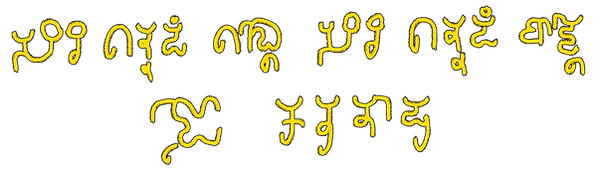
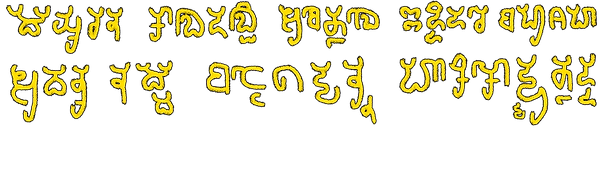
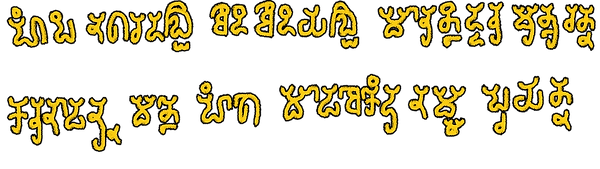
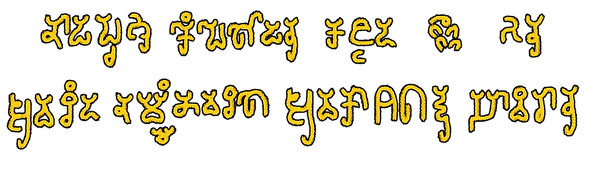
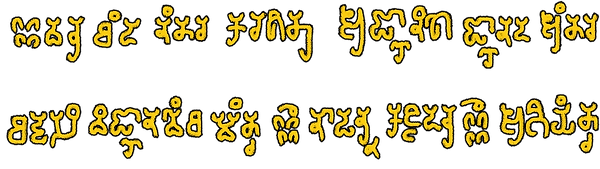
Note: You might notice that at the end of each section, there is a special script written in Mayura Kannada Lipi. This ancient script was the first official administrative script used by the first Kannada dynasty. By incorporating it, we pay homage to the original Kannada script that laid the foundation for the language as we know it today, honoring its historical significance as being used in the earlist kannada inscription, the halmidi inscription, and its role in shaping the evolution of Kannada.
ಗಮನಿಸಿ: ಪ್ರತಿಯೊಂದು ವಿಭಾಗದ ಕೊನೆಯಲ್ಲಿ ಮಯೂರ ಕನ್ನಡ ಲಿಪಿಯಲ್ಲಿ ಬರೆಯಲಾದ ವಿಶೇಷ ಲಿಪಿ ಇರುವುದನ್ನು ನೀವು ಗಮನಿಸಬಹುದು. ಈ ಪ್ರಾಚೀನ ಲಿಪಿಯು ಮೊದಲ ಕನ್ನಡ ರಾಜವಂಶದವರು ಬಳಸಿದ ಮೊದಲ ಅಧಿಕೃತ ಆಡಳಿತಾತ್ಮಕ ಲಿಪಿಯಾಗಿದೆ. ಅದನ್ನು ಅಳವಡಿಸುವ ಮೂಲಕ, ನಾವು ಇಂದು ತಿಳಿದಿರುವ ಭಾಷೆಗೆ ಅಡಿಪಾಯ ಹಾಕಿದ ಮೂಲ ಕನ್ನಡ ಲಿಪಿಗೆ ಗೌರವ ಸಲ್ಲಿಸುತ್ತೇವೆ, ಅದರ ಐತಿಹಾಸಿಕ ಮಹತ್ವವನ್ನು ಪ್ರಾಚೀನ ಕನ್ನಡ ಶಾಸನವಾದ ಹಲ್ಮಿಡಿ ಶಾಸನದಲ್ಲೂ ಗಮನಿಸಬಹುದು ಮತ್ತು ವಿಕಾಸವನ್ನು ರೂಪಿಸುವಲ್ಲಿ ಅದರ ಪಾತ್ರವನ್ನು ಗೌರವಿಸುತ್ತೇವೆ.